


 Shop


Some historic houses become museums. Most do not. But that does not make them less important.
Heritage Hunters is a grassroots heritage project exploring overlooked historic houses in Slovenia. We document buildings, listen to the people connected with them, search archives, and collect photographs, stories and objects that might otherwise disappear.
Historic houses are more than reminders of the past. They shape the character of our villages and towns. They carry local stories, knowledge, materials and craftsmanship — and help make one place different from another.
Because when an old house disappears, we lose more than a building. We lose part of what makes a place different from everywhere else.
What began with a simple idea — to look more closely at the old houses around us — is gradually becoming something more: a growing collection, a research database and a community working to recognise heritage before it is lost.
Heritage Hunters began with curiosity.
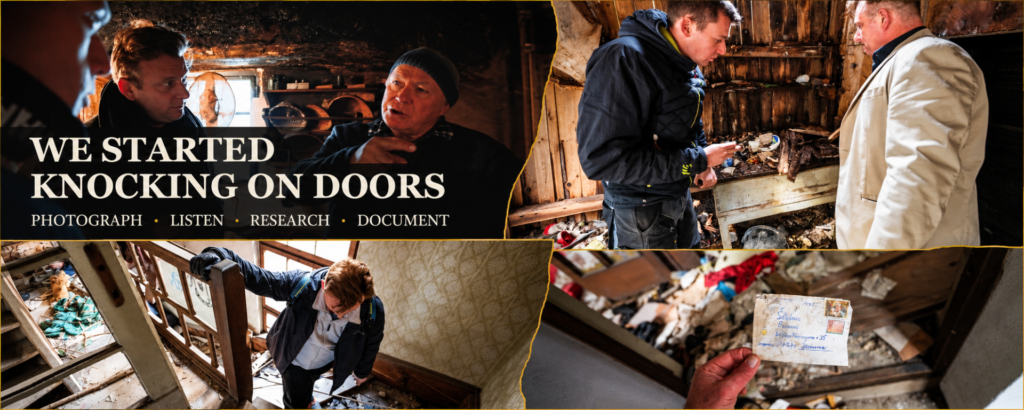
Two PhD students in heritology, a conservator-restorer, and a photographer and filmmaker started exploring old houses in our local area.
We knocked on doors, talked to owners and residents, photographed buildings and interiors, recorded memories and searched archives.
And people opened their doors. They shared old photographs, objects and stories — some of which had never been written down.
Soon we realised that every house was much more than a building. It was a network of people, memories, objects and stories.
And sometimes people would simply say: ““Take these old things. We’re going to tear the house down anyway.””
That changed the project.
We started collecting houses. Well… parts of them.
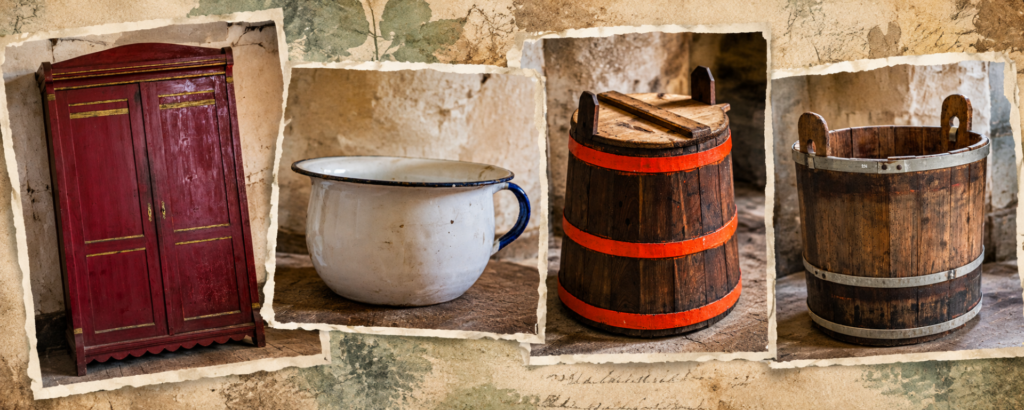
People began giving us objects they no longer wanted to keep. Soon we were collecting doors, windows, locks, bricks, roof tiles and everyday objects from the houses we documented.
We found a place to store them and started cataloguing the collection, always keeping each object connected to the house it came from.
Because without its context, an old object can easily become just an old object.
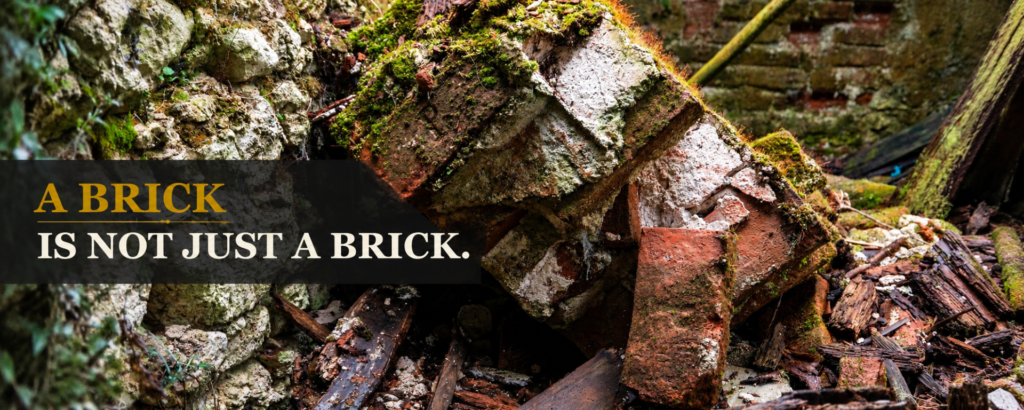
A brick is not just a brick.
A single brick can lead to its maker, a local craft, other houses and connections between places. Every fragment can carry part of a much bigger story.
And as the collection grew, we realised that we were no longer simply collecting objects.
We were collecting traces of houses.
Old houses give places identity.
They tell us how people lived, what materials they used, what they knew and what they were able to make with their own hands. They preserve traces of local craftsmanship, building traditions, skills, memories and ways of life that can easily disappear with the buildings themselves.
They also make our villages and towns different from everywhere else. Their character gives communities a sense of place — and gives visitors a reason to come, explore and remember them.
Perhaps old houses are small shelters from globalisation.
In a world where villages and towns can increasingly begin to look the same, they preserve something surprisingly fragile: the character of a place.
New is not always better. But old is not automatically worth saving either. Not every old house can — or should — become a museum. Not every old house can be preserved. But we should understand what we are losing before we decide to let it disappear.
Heritage Hunters is not only about collecting memories of the past.
Many of the houses we document are overlooked, changing rapidly or facing demolition. Some have never been formally recognised as heritage.
We document what still exists, research its history and help make overlooked heritage visible. Where appropriate, this research can also support efforts to have a building recognised and protected.
But protection begins with something simple: Someone has to notice. Someone has to care.
For us, documenting, protecting and interpreting heritage are part of the same process — understanding why a place matters and sharing that knowledge with others.
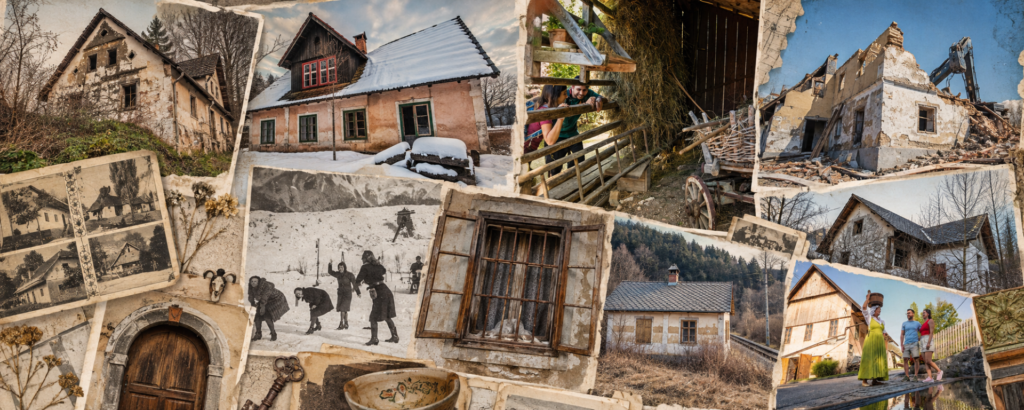
A house is never just a building.
It is connected to people who lived there, objects they used, photographs, memories, archival sources, materials, crafts — and often to other houses.
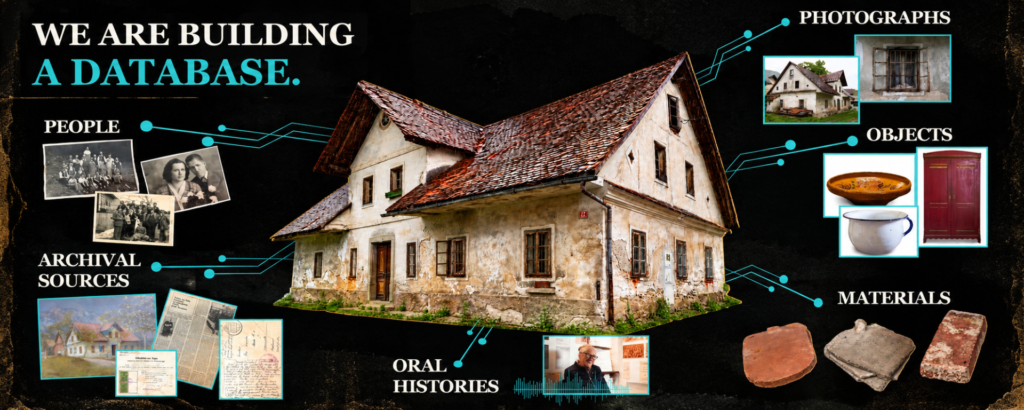
As our research and collection grew, a simple spreadsheet was no longer enough. We began building a database that keeps these connections together. Sometimes one small detail opens an entirely new path: an object reveals its maker, a photograph identifies a former resident, or a craftsman connects several houses across the region.
We are not simply building a database of houses. We are building a database of a place.
Heritage Hunters is still growing.
Our next step is to make the database openly accessible and to develop a digital map connecting historic houses with the people, photographs, objects, oral histories, archival sources, materials and knowledge associated with them.
The aim is not only to preserve information, but to create a resource for future research, heritage protection and new stories.
Some of these houses will survive. Some will change. Some may disappear. The knowledge connected with them should not.
Do you know an old house that deserves a closer look?
Start with what you can find. Photograph it. Talk to the people who remember it. Look for old photographs. Write down names and stories. Check archives and existing heritage records.
You don’t have to be a conservator to notice heritage.
In Slovenia, anyone can submit an initiative for a building or site to be considered for entry into the Register of Immovable Cultural Heritage. But heritage is much more than bricks and mortar. It also includes intangible heritage, such as oral histories, traditional knowledge, customs and memories, as well as the natural environment and landscapes that give these places their character.
Before submitting an initiative, collect as much information as you can: photographs, location, approximate age, former residents, architectural features, local stories, archival photographs, documents, traditional practices, connections to the surrounding landscape and anything else that can help explain why the place matters.
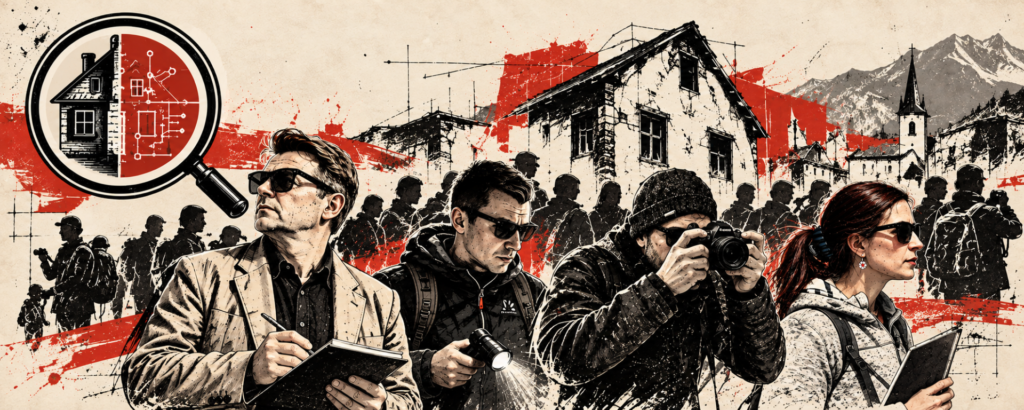
Heritage Hunters started with four friends: two heritologists, a conservator-restorer, and a photographer and filmmaker.
Since then, the circle has grown. Conservators, heritage enthusiasts, researchers, house owners, local residents and others have contributed their knowledge, skills, memories and time.
Heritage Hunters is not a team with fixed boundaries. It is a growing community of people who believe that overlooked heritage deserves a closer look.
Matjaž Koman
Heritologist · Heritage researcher
Rok Humerca
Heritologist · Underwater archaeologist
Aleš Košir
Photographer · Filmmaker
Anja Bunderla
Conservator-restorer
And many others who open doors, share stories, restore objects, search archives, contribute photographs — or simply point us towards a house worth noticing.
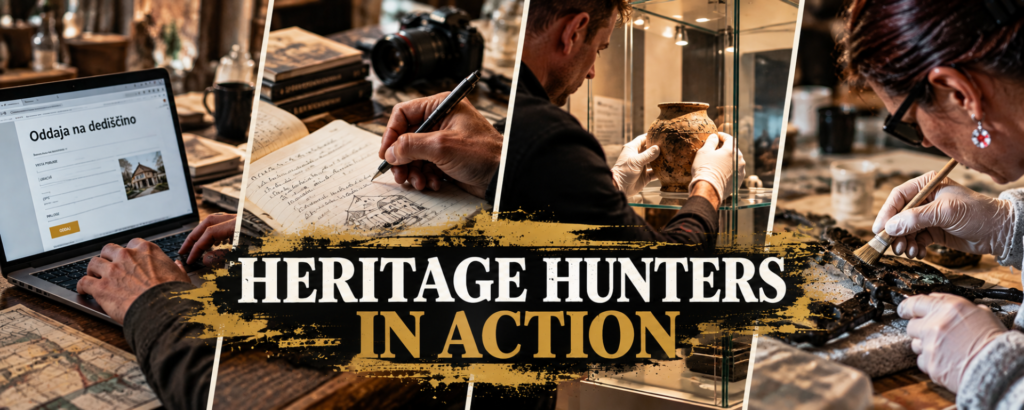
Heritage Hunters is not only about documenting houses and building a collection. The stories, objects and research are already finding their way into exhibitions, events and international conversations about heritage.
Here is some of what has been happening.
HOUSES THAT REMEMBER
Prešeren’s Birth House · 2026
Seven old houses. Seven stories about the people who lived in them and the traces they left behind.
The exhibition Houses That Remember brought together photographs, memories, research and objects collected through Heritage Hunters — bringing overlooked local houses and their stories into the museum.
READ MORE →
HOUSE MUSEUMS OF LANGUAGE
Dublin · 2026
Objects collected through Heritage Hunters travelled from villages in Slovenia to Dublin as part of the international exhibition House Museums of Language – Slovenia & Ireland.
Everyday objects became part of a wider story about houses, language, memory and identity — showing how even small fragments of local heritage can connect places far beyond where they were found.
READ MORE →
HERITAGE HUNTERS AT ICOM DEMHIST
Versailles · 2026
In October 2026, Heritage Hunters will be presented at the ICOM DEMHIST International Conference Shifting Lines: Historic House Museums in the Age of AI at the Palace of Versailles.
The presentation explores how Heritage Hunters documents overlooked historic houses and how new digital tools can help connect, research and interpret the knowledge surrounding them.
READ MORE →
EXPLORE THE HERITAGE HUNTERS BOOKLET
Discover the stories of seven overlooked historic houses in Žirovnica, the people who remember them, and the objects rescued from their past.
Created for the ICOM DEMHIST 2026 conference in Versailles, this booklet explores the challenges of preserving everyday heritage and the power of local communities to make a difference.
Download the Heritage Hunters Booklet (PDF)